
My Expertise
I am a sociocultural anthropologist with a BA, MA and PhD in anthropology. I have been teaching in higher education, from Paul Smith’s in the Adirondacks to Columbia in New York to the University of London in the UK, for the better part of the last 28 years. I have created and taught twenty distinct courses across the disciplines of anthropology, sociology, geography, philosophy, economics, area studies, international development, political science and community and youth work. After decades of teaching face-to-face in classrooms on two continents, I now teach exclusively in the rapidly growing arena of online learning in a major New York university system, which affords me the opportunity to live in the place of my birth, the southern Adirondack mountains.
I’m from a poor if beautiful mountain town called Bleecker. I was the first person in my family to go to college on my father’s side, and only the second on my mother’s. I know all too well what it is like to be a working class kid preparing anxiously for the alien world of the university. I have also witnessed the struggles of students from wealthier, more educated families whose expectations can promote an equally challenging form of college anxiety. And I have taught at multiple institutions where non-traditional students — mature students, returning students, continuing and professional students, lifelong learners — are in fact the tradition.
No matter which type of student you are, or hope to become, you are entering higher education at a moment of enormous uncertainty and impending change. Teaching is increasingly outsourced as gig work. Research funding is under threat. Artificial intelligence is poised to upend the entire process. Yet for all that, the cost of a college degree has not declined; indeed college is much more expensive than it was a generation ago. Is a college degree still worth it? Absolutely. But it’s more important than ever to make the most of it, and that means doing it wisely.
That is why my tutoring goes beyond traditional assistance with subject mastery so you can make the grades to make the cut. It is important to know something about literature, history and other subjects to do well in college. But it is equally vital to know how to manage your time, get along with your professors, juggle work and study if you need to, and navigate the bewildering world of campus resources while developing the scholarship that will enrich your mind, the critical faculties that will make you a savvy citizen, and the credentials that will allow you to fill your belly and keep a roof over your head when your college days are behind you. It’s a tall order for the best of us to figure out. This kind of knowledge doesn’t come from shiny college brochures, but it can come from decades’ worth of experience inside the world you are about to join.
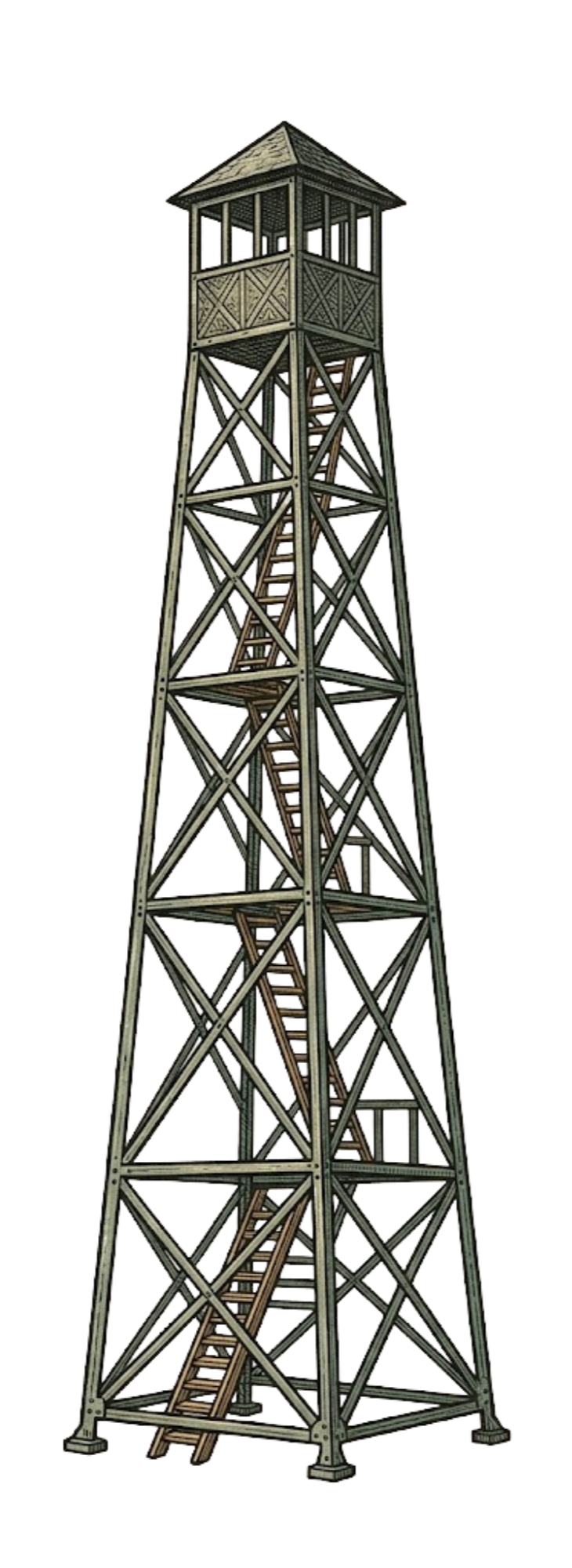
There is something here, too, for students who are not college-bound. One of my favorite if improbable scholars was Jack Wadsworth, a fire watcher on Cathead Mountain, the namesake of my business, for twenty years. Jack never set foot on a college campus. He was a logger, woodsman and guide, but he wiled away the lonely hours atop the tower on Cathead writing his observations about his life, the world, and anything else that came to mind in a commonplace book that has survived for nearly a century, a rare and remarkable record of profound change in the Adirondacks. “I write this so who ever see this thay can tell,” he wrote in 1952. Jack was an instinctive scholar, and so too can anybody be with a basic curiosity about the world, the will to learn and a set of skills that can be acquired. If you are struggling in school, get in touch to discuss not only how you can pass your classes, but make learning a lifelong love for your own reasons, and toward your own ends, no matter what trail you travel.